The people make the region
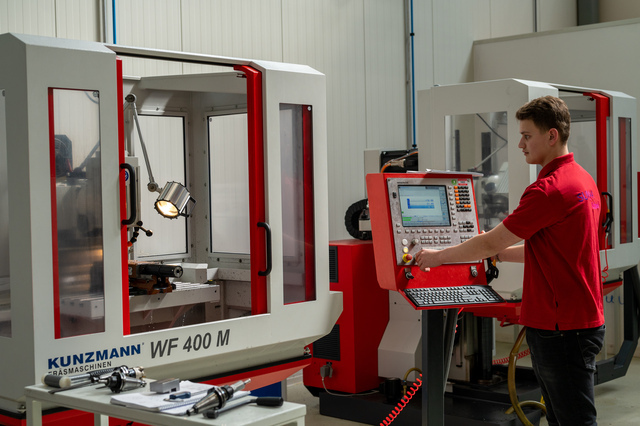
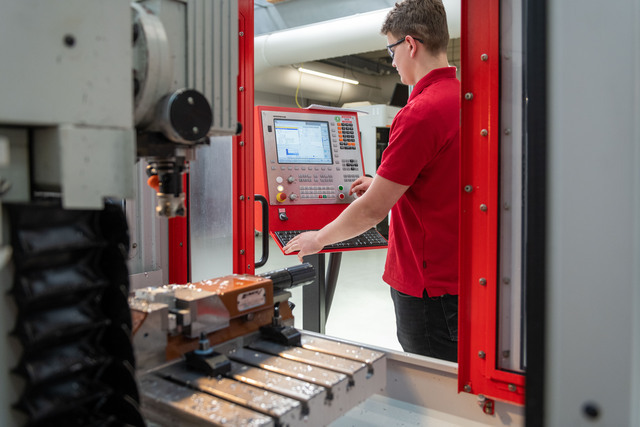
A region does not run on chip machines. Nor on buildings or business parks. A region runs on people. On the district nurse, the hairdresser, the car mechanic. On the logistics employee who ensures that goods arrive on time. On the skilled worker who maintains a machine and on the employee who ensures that public transport runs.
Livable, strong and future-proof
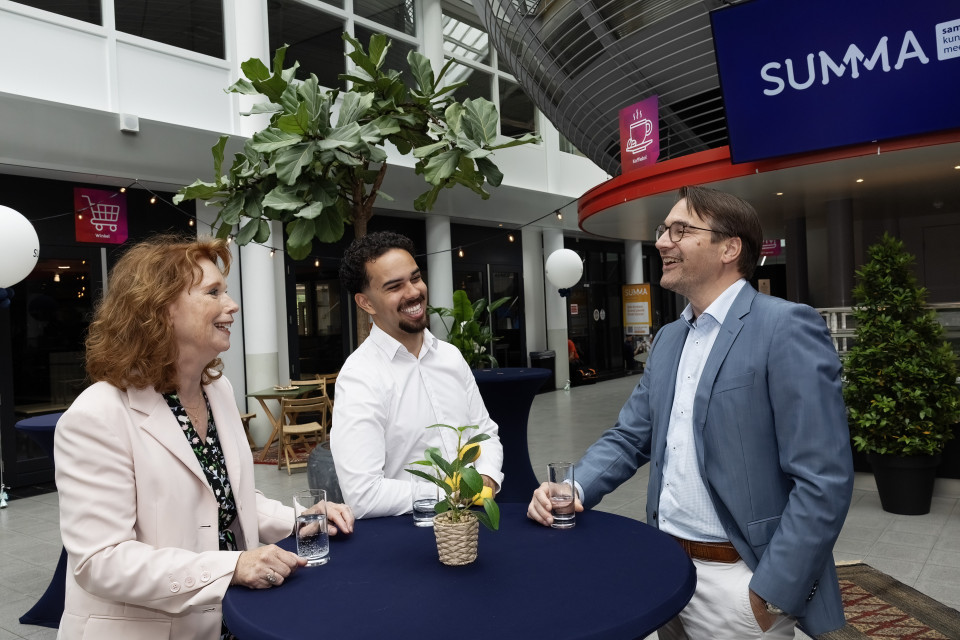
“Vocational education forms the fabric of society,” says Jochem Meulesteen, member of the Executive Board of Summa. “If that falls away, much more comes to a standstill than people realize.”
Over the past twenty years, the conversation about Brainport has also changed. While attention initially focused primarily on technology and innovation, today it increasingly revolves around the question of whether there are enough people to keep the region liveable, strong, and future-proof. The question is no longer just which technology the region develops, but above all who creates, maintains, and applies that technology.
Brainport's next challenge
And that development is far from complete. The region is growing rapidly, and that brings with it multiple challenges. Not only regarding housing, accessibility, and facilities such as childcare and schools, but also regarding the people who will keep those facilities running in the future. “The challenge is to ensure that the region remains agile, resilient, and vital in the long term as well,” says Annemarie Moons, Chair of the Executive Board of Summa.
The challenges facing Brainport pay little heed to municipal boundaries, sectors, or organizations. “We cannot solve the challenges of tomorrow in isolation. That is why Summa collaborates every day with companies, other educational institutions, labor market regions, and other organizations on the talent Brainport needs,” says Moons.
Collaborating on talent
This collaboration is taking shape in various places. Within Talent voor Semicon, formerly known as Beethoven, educational institutions and companies work closely together on new study programs, learning environments, and development tracks for the rapidly growing semiconductor industry. In doing so, they are working on the talent needed to enable the further growth of the semiconductor industry. With DAF Vakschool Logistiek, education is directly linked to the practical realities of one of the largest employers in the region. Through the collaboration with the Kempisch Ondernemers Platform, education is organized closer to people and businesses, ensuring that talent is retained for the region.
Within education itself, there is an increasing tendency to look beyond boundaries. Summa collaborates intensively with Fontys, TU/e, and other MBO institutions such as Koning Willem I College, Curio, SintLucas, Yonder, Yuverta, and Gilde Opleidingen. This is not due to competition, but rather out of a shared responsibility for the region. As a result, students can progress more easily between MBO, HBO, and university, while knowledge and facilities are increasingly developed and utilized jointly.
Learning does not stop at a diploma
The way education is viewed is also changing. Whereas learning used to often stop after obtaining a diploma, development is increasingly becoming an ongoing process. In addition to full degree programs, there is a growing need for shorter tracks, certificates, and targeted further training. New technologies, changing professions, and societal developments demand the continuous renewal of knowledge and skills.
Furthermore, Brainport can increasingly less afford to leave talent untapped. Therefore, education, businesses, and labor market regions are collaborating ever more intensively to offer new opportunities to career changers, workers looking to retrain, and people who are currently not sufficiently reached.
Where it all comes together
“We are shifting from a vocational school to a partner in learning and development for the entire region,” says Meulesteen. “In education, the demands of businesses, the ambitions of residents, and the societal challenges of municipalities come together. As a result, we are the first to see where shortages are emerging, which skills are in demand, and which groups are still not being sufficiently reached.”
Moons: “That is precisely why Summa is increasingly playing a directing role within the region. By connecting education, businesses, government, and residents, we help the region be prepared for the challenges of tomorrow. Because if the past twenty years have shown anything, it is that the biggest challenges can only be solved together.”
The above article appeared in Frits Magazine in July 2026. Read the article here in the magazine.
Other news