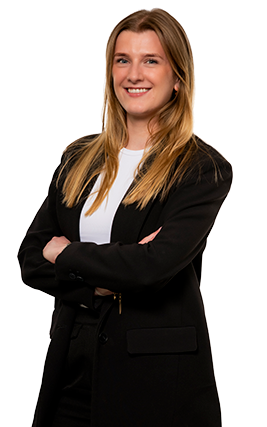
First electrical systems engineer (bol)
More information.
What are you becoming?
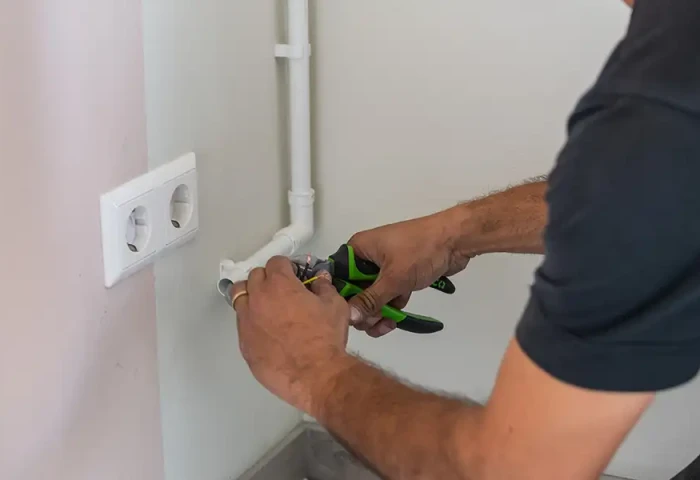
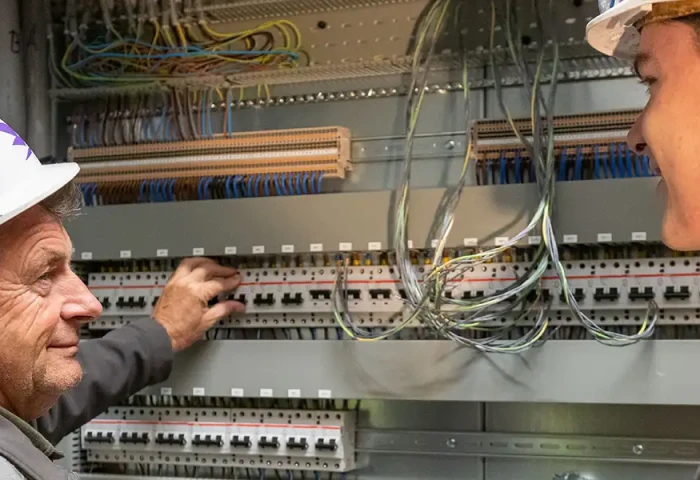
As a first-level electrical systems engineer, you could work at a production company, an industrial electronics or switchboard company, a mechanical engineering company, or a control and automation company. You could also continue your education with a level-4 vocational training program to become a technician.
Get a study voucher of €500
Start your technical training with the right equipment
Are you choosing a future in the high-tech and semiconductor industry? Then you are choosing a field where standards are high. You will work with complex systems, digitalization, and precision software. A professional education includes professional equipment you can rely on.
To support you with this, there is the study voucher from a government initiative . Students starting a technical full-time vocational program specializing in the semiconductor industry – a program like this one – receive a voucher worth €500. This voucher serves as a contribution towards the purchase costs of a suitable study laptop via selected partner webshops. This ensures that everyone, regardless of background, can start the program with the right professional equipment.
How does it work?
After your final registration for this course, you will receive more information about redeeming the voucher and the required laptop specifications. Therefore, please wait a little longer before purchasing your laptop.
Powered by Talent voor Semicon. You can find more information about the program at talentvoorsemicon.nl . Answers to frequently asked questions and the terms and conditions of the scheme can be found at talentvoorsemicon.nl/voucher.
What does your education look like?
You'll take theoretical and practical classes at school. You'll also complete an internship at a training company.
During the first six months, you will mainly receive practical lessons in both electronics and energy technology at school.
During the second and third semesters you will do an internship 2 days a week.
During the last six months you will do an internship 3 days a week.
Education and Examination Regulations (OER)
In the Education and Examination Regulations (OER) of a study program, you can read what you will be doing in which period, how much time is spent on this, and an overview of the exams that will be administered. Find the OER for your study program here.
Search by your Crebo number (see the box on the right of this page) to view the OER for the current academic year. This will give you a general idea of what's expected of you when you start the program. The OER for the upcoming academic year will be available in July.
Statutory tuition fees
The statutory tuition fee for the 2027-2028 academic year is 1.554 euros. Check DUO.nl for possible student finance.
Other costs
For an estimate of the other costs for this program, visit mbowebshop.nl . Every year, all school fees for the following academic year are announced there no later than July 1st. To place an actual order, you must log in with your Summa account.
Laptop
For many study programs, students cannot do without a laptop. Check the overview to see if this applies to your program and download the correct specifications.
Elective courses
During your studies, you choose one or more electives to specialize or to broaden your education. Examples include In-depth Technology and Materials Knowledge, Responding to Innovations, or 3D Drawing. Throughout your studies, you will receive more information about the electives you can take. You complete each elective with an exam. Read more about electives.
Study in figures
Study in Figures provides clear information about this program and job market opportunities. Would you like to know more about these figures? Then check out this explanation.
What prior education do you need?
For the vocational training (level 3) and middle management training (level 4) you must meet one of the following conditions:
- You have a diploma in pre-vocational secondary education (VMBO) with a pre-vocational secondary education (VMBO) track, a theoretical pre-vocational secondary education (VMBO) track, or a mixed pre-vocational secondary education (VMBO) track.
- You have an (older) diploma from lbo, vbo, mavo or mavo-vbo.
- You have a basic vocational training diploma (level 2) or a diploma from another vocational training course (level 3).
- You have proof that you successfully completed the first three years of pre-university or senior general secondary education (havo) or pre-university education (vwo). Or you have another diploma or certificate recognized by the government.
Additionally
With targeted preliminary training at level 2 you have a better chance of successfully completing this course.
You will be invited for a personal interview or introductory meeting where you will get to know the school and we will see if this course is a good fit for you.
Can I contact a teacher or student?
Teachers and students know what's going on at school. Feel free to ask your questions to our teachers and/or students using the contact information below:
WhatsApp
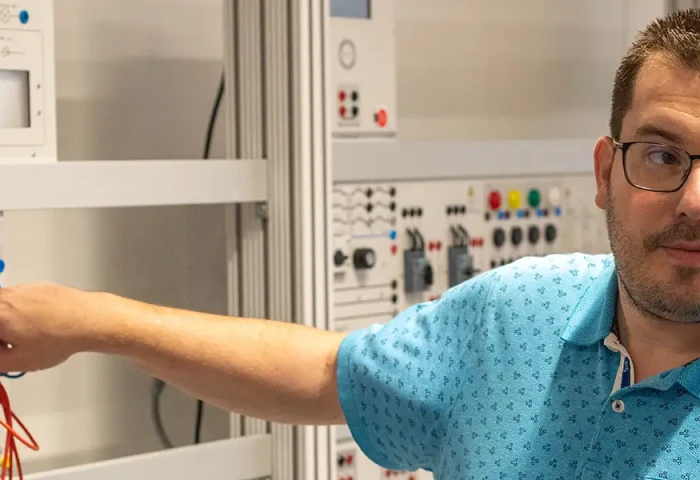
Electrical Engineering: teacher Marcel Kalkers
And neverl
Electrical Engineering: teacher Marcel Kalkers
It is also possible to attend a shadowing day, guided tour, or open day. You can find all activities in our calendar.
What are you becoming?
As a first-level electrical systems engineer, you could work at a production company, an industrial electronics or switchboard company, a mechanical engineering company, or a control and automation company. You could also continue your education with a level-4 vocational training program to become a technician.
Get a study voucher of €500
Start your technical training with the right equipment
Are you choosing a future in the high-tech and semiconductor industry? Then you are choosing a field where standards are high. You will work with complex systems, digitalization, and precision software. A professional education includes professional equipment you can rely on.
To support you with this, there is the study voucher from a government initiative . Students starting a technical full-time vocational program specializing in the semiconductor industry – a program like this one – receive a voucher worth €500. This voucher serves as a contribution towards the purchase costs of a suitable study laptop via selected partner webshops. This ensures that everyone, regardless of background, can start the program with the right professional equipment.
How does it work?
After your final registration for this course, you will receive more information about redeeming the voucher and the required laptop specifications. Therefore, please wait a little longer before purchasing your laptop.
Powered by Talent voor Semicon. You can find more information about the program at talentvoorsemicon.nl . Answers to frequently asked questions and the terms and conditions of the scheme can be found at talentvoorsemicon.nl/voucher.
What does your education look like?
You'll take theoretical and practical classes at school. You'll also complete an internship at a training company.
During the first six months, you will mainly receive practical lessons in both electronics and energy technology at school.
During the second and third semesters you will do an internship 2 days a week.
During the last six months you will do an internship 3 days a week.
Education and Examination Regulations (OER)
In the Education and Examination Regulations (OER) of a study program, you can read what you will be doing in which period, how much time is spent on this, and an overview of the exams that will be administered. Find the OER for your study program here.
Search by your Crebo number (see the box on the right of this page) to view the OER for the current academic year. This will give you a general idea of what's expected of you when you start the program. The OER for the upcoming academic year will be available in July.
Statutory tuition fees
The statutory tuition fee for the 2027-2028 academic year is 1.554 euros. Check DUO.nl for possible student finance.
Other costs
For an estimate of the other costs for this program, visit mbowebshop.nl . Every year, all school fees for the following academic year are announced there no later than July 1st. To place an actual order, you must log in with your Summa account.
Laptop
For many study programs, students cannot do without a laptop. Check the overview to see if this applies to your program and download the correct specifications.
Elective courses
During your studies, you choose one or more electives to specialize or to broaden your education. Examples include In-depth Technology and Materials Knowledge, Responding to Innovations, or 3D Drawing. Throughout your studies, you will receive more information about the electives you can take. You complete each elective with an exam. Read more about electives.
Study in figures
Study in Figures provides clear information about this program and job market opportunities. Would you like to know more about these figures? Then check out this explanation.
What prior education do you need?
For the vocational training (level 3) and middle management training (level 4) you must meet one of the following conditions:
- You have a diploma in pre-vocational secondary education (VMBO) with a pre-vocational secondary education (VMBO) track, a theoretical pre-vocational secondary education (VMBO) track, or a mixed pre-vocational secondary education (VMBO) track.
- You have an (older) diploma from lbo, vbo, mavo or mavo-vbo.
- You have a basic vocational training diploma (level 2) or a diploma from another vocational training course (level 3).
- You have proof that you successfully completed the first three years of pre-university or senior general secondary education (havo) or pre-university education (vwo). Or you have another diploma or certificate recognized by the government.
Additionally
With targeted preliminary training at level 2 you have a better chance of successfully completing this course.
You will be invited for a personal interview or introductory meeting where you will get to know the school and we will see if this course is a good fit for you.
Can I contact a teacher or student?
Teachers and students know what's going on at school. Feel free to ask your questions to our teachers and/or students using the contact information below:
WhatsApp
Electrical Engineering: teacher Marcel Kalkers
And neverl
Electrical Engineering: teacher Marcel Kalkers
It is also possible to attend a shadowing day, guided tour, or open day. You can find all activities in our calendar.
Industry news
Something else?
Also take a look at these courses
Need help with your study choice?
We are ready for you!
Are you unsure about which study program to choose, or do you have no idea yet which direction you want to take? Then take the study choice test and talk to our study choice coaches. We are happy to help you on your way.