'One language test now determines my future'
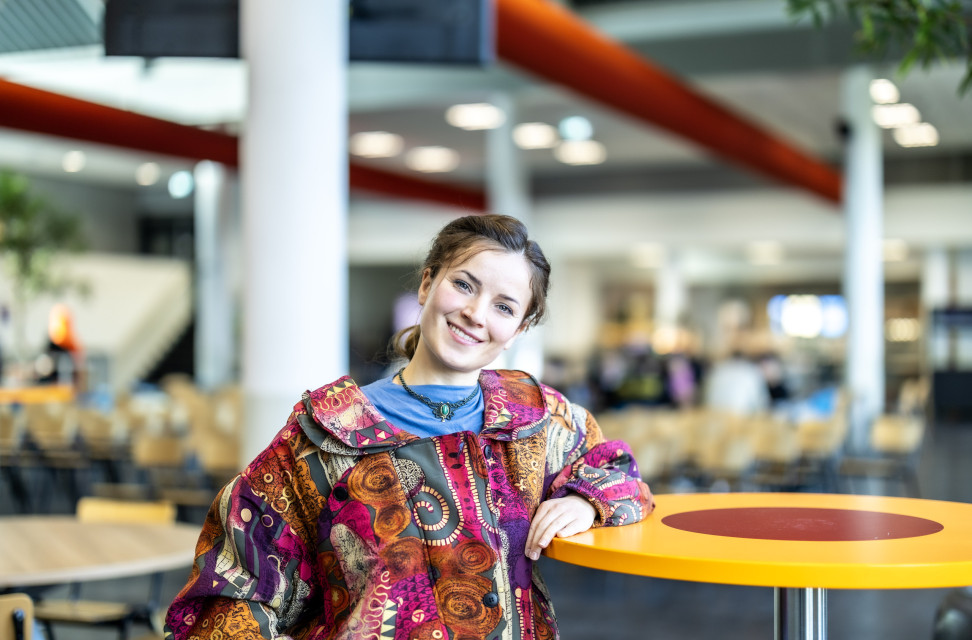
When Lena Sclifos (31) moved from Spain to the Netherlands, she was looking for peace, stability, and opportunity. She found it through the Summa International Engineering program. She worked hard, successfully completed her technical subjects, and quickly built a career in the Brainport region. There's just one thing missing: her diploma. Lena hasn't yet passed the Dutch language proficiency test at the 3F level. And that's a heavy burden, because without that exam, her vocational diploma remains out of reach.
From Spain to Brainport
Lena grew up in Spain, where she had a background in healthcare. "I wanted to study criminology, but I wasn't allowed to because of my previous education. I felt like I was constantly hitting a closed door." During a holiday in the Netherlands in 2016, she met her then-boyfriend and decided to emigrate. "Initially, I missed my family terribly and struggled to integrate because of the language. But I also saw potential."
Through her boyfriend, she was introduced to technology. "A whole new world opened up for me. I discovered I could build and create." She chose the then English-language program Summa International Engineering. "It felt right right away. Lots of practical work, real projects, and collaboration with companies. It suited me."
A career within Brainport
During her studies, Lena had the opportunity to work at Prodrive. That proved to be the start of a successful career. She now works as a manufacturing engineer at Wefabricate, in the heart of the Brainport region. "I'm proud of what I've achieved. I work with international teams and contribute to innovative projects. The Netherlands has given me peace and stability."
But that peace is now under threat. Lena was never able to officially complete her vocational education (MBO) because she hadn't yet passed the mandatory Dutch language exam at language level 3F. This level is comparable to the final exam for senior general secondary education (HAVO) and is required for all MBO level 4 students.
A high price for language
The consequences are dire. If Lena doesn't pass the exam before 2028, she'll lose her right to graduate and have to repay her student loan to DUO—which runs into tens of thousands of euros. "That's stressful," she says. "I've passed all my other subjects, I work full-time in technology, I contribute to Brainport, but one language test now determines my future."
She understands why language is important, but also sees that the current standard doesn't always align with practice. "For many international vocational students, the 3F language requirement feels disproportionately demanding. After years of living and working in the Netherlands, I realize I hardly need Dutch at this high level in my daily life. I speak English at work and with my friends. I can express myself well in Dutch; I've mastered the basics, but it doesn't motivate me to complete the language test if the level is rarely encountered in practice. I think it would be valuable to explore the possibility of more flexible pathways that help international students continue learning and contributing to the Netherlands."
This contrast is striking: At universities of applied sciences and universities (WO), such a mandatory language test does not apply to international students; they can complete their entire international studies without mastering Dutch at this level.
Summa advocates the reversal scheme
Summa, together with the MBO Council and other vocational education institutions, is committed to the so-called reversal program. This program allows international students, for whom Dutch is a new language (NT2 students), to complete Dutch at level 2F if they complete another language—such as English or German—at a higher level.
Such a scheme prevents talented international students from encountering problems due to language requirements that don't align with their living and working environment. Summa believes that policy shouldn't block talent, especially not in a region like Brainport, where international cooperation and multilingualism are precisely the strengths of vocational education and the business community.
To persevere
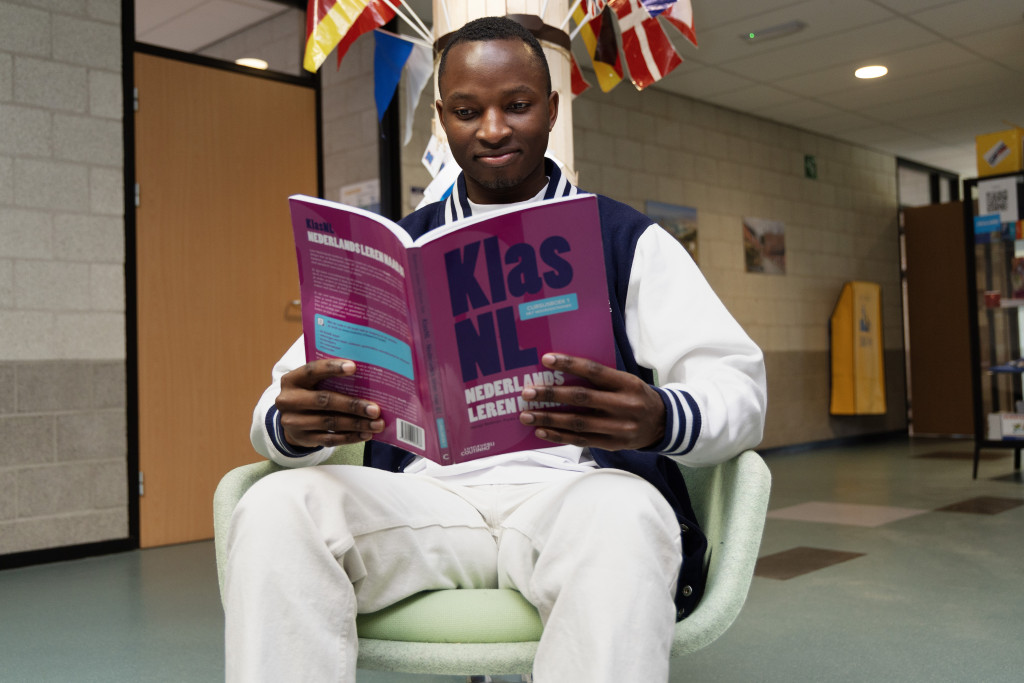
Despite the pressure, Lena remains positive. She's restarted Dutch lessons at Summa and is preparing for the exam. "I'm trying to see it as an opportunity to grow. I want to stay here, work, and maybe start my own business someday. The Netherlands has become my home, and I want to keep it that way."
Other news